
I Paid $30 for a Drill-Powered Wire Stripper. Here's What Actually Happened. — Hard Mile Health
I bought a $30 drill-powered wire stripper off Amazon to find out if stripping scrap copper is actually worth an electrician's time. The short answer: it depends entirely on what wire you're stripping. The long answer involves a 30-year-old DeWalt that smoked itself to death, a $12 estate sale gamble, and two sessions of real data that ended up more than 3x apart in hourly return.
SO cord and short mixed wire: ~$3–8/hr net. Long runs of thick PV wire: ~$25–30/hr net. The tool works. The wire you feed into it is everything.
How It Started: A Bad Estate Sale and a Box of Wire
I go to estate sales looking for power tools and electronics. Found this one on EstateSales.net — listed some tools, worth the drive. Thirty-five minutes out into the country, long barn setup, walked the aisles four or five times. The tools were garbage. I was about to leave empty-handed.
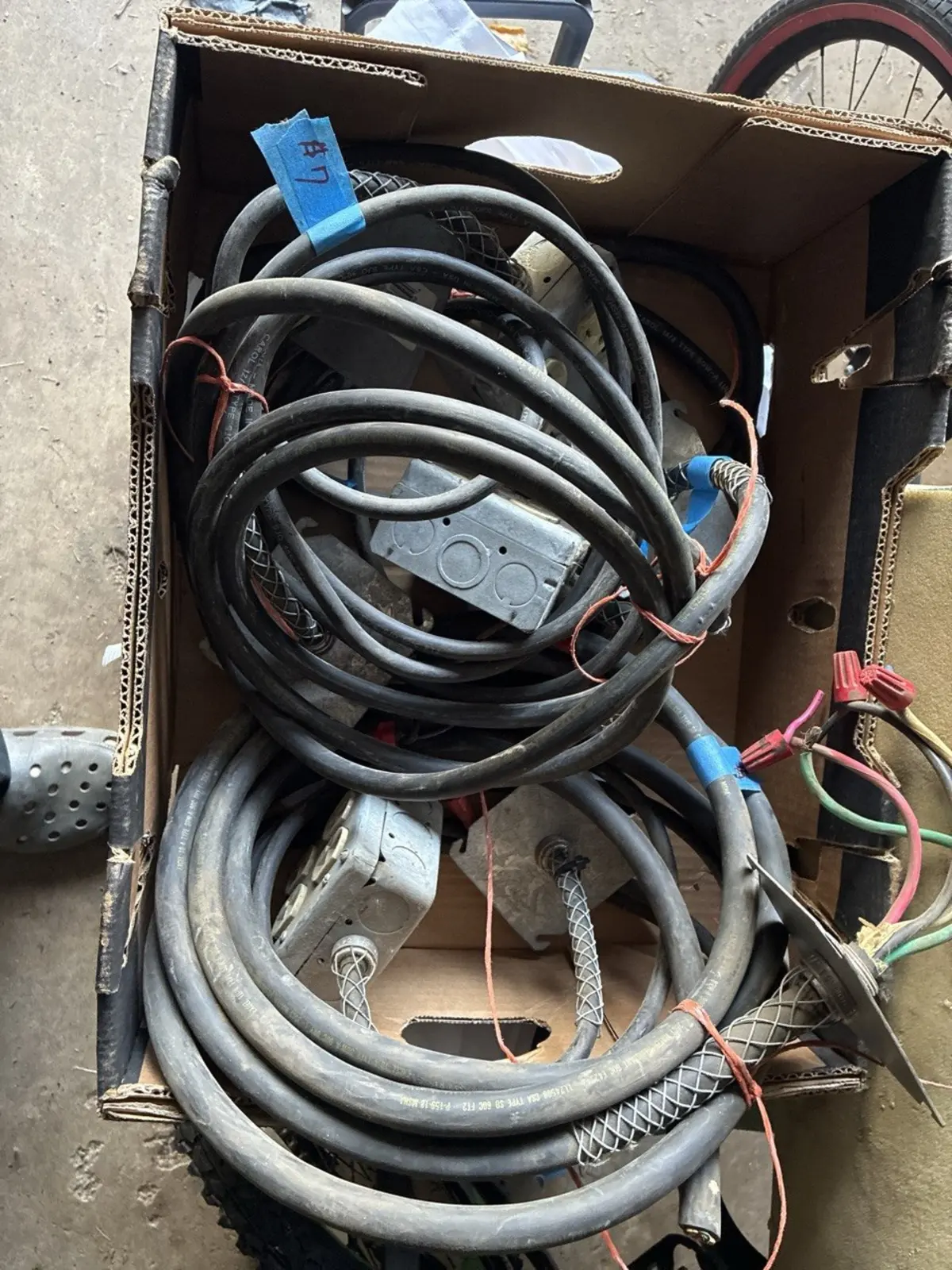
On my way out I spotted a box of old wire — SO cord, junction boxes, flex conduit mixed in. I already knew what SO cord was: copper inside, but buried under a serious amount of rubber insulation. Not a treasure chest. But I asked if they'd bundle it with a hydraulic jack that had a sticky valve and couldn't hold pressure. They said yes. Ended up paying $12 for the wire and getting the jack thrown in free because it wasn't working right.
First stop on the way home was AutoZone for a bottle of hydraulic jack oil. Refilled it. Tested it. Sure enough, it jacks — but it leaks like a sieve. On the drive home I told my wife I needed to buy a wire stripper.
Practical takeaway: Estate sales aren't a great source for high-value copper wire. But if the price is low enough and you already have the tool, it's worth grabbing.
The Tool: What You Get for $30
The stripper I ordered is a 2-in-1 drill-powered / hand crank wire stripping machine rated for 0.06"–1" wire (1.5–25mm). When it arrived I opened the box, saw a bag of parts, and thought — great, now I have to build something. Turns out it was just accessories plus an optional hand crank attachment. Setup took about two minutes.
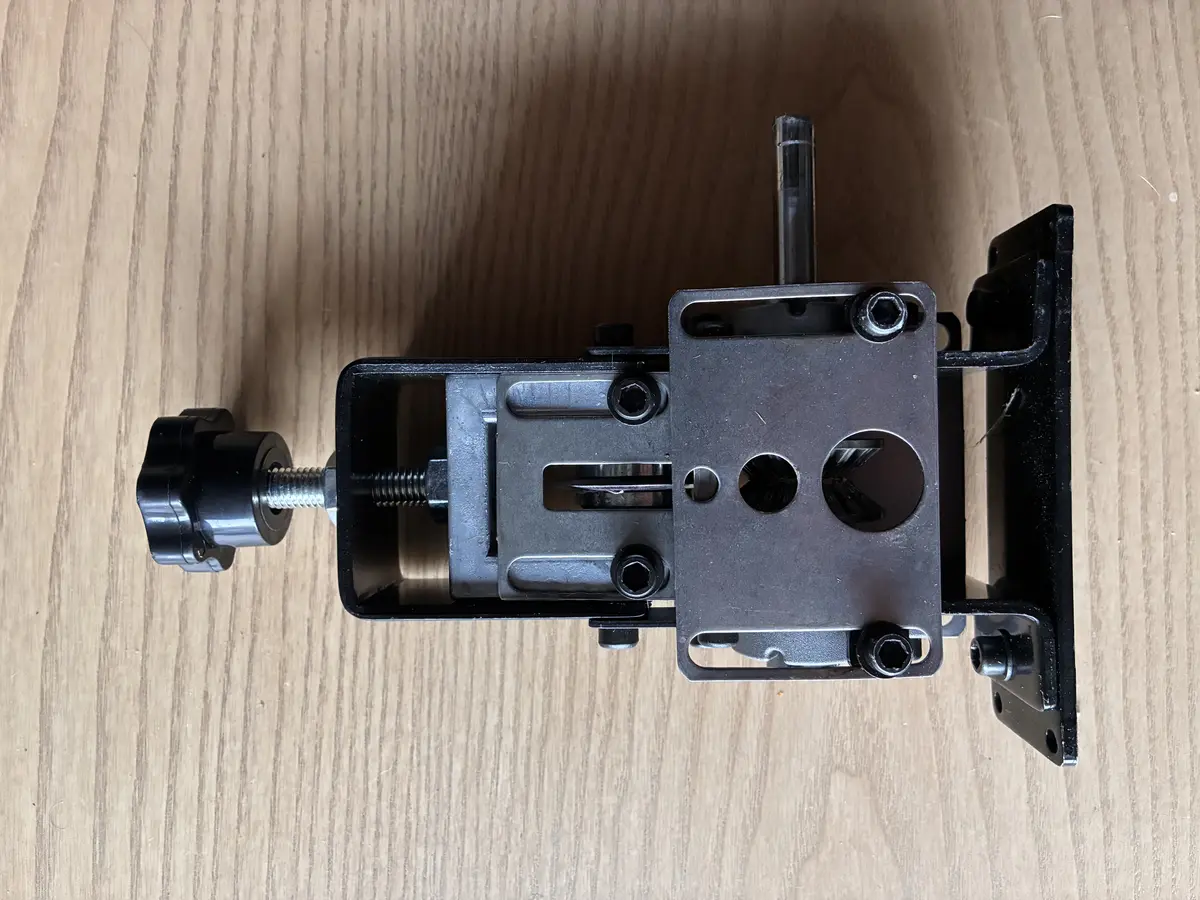
Here's how it works. You chuck the machine onto your drill's spindle, then feed wire into one of three holes on the back of the unit — sized for small, medium, and large gauge wire. Inside, a blade works exactly like a pizza cutter: a knob on top lowers the blade to score along the length of the insulation as the drill spins. You adjust blade depth with a 5mm Allen key (one is included). Once you have the depth dialed in for a given wire type, you run all of that wire at the same setting before touching the adjustment again.
Too deep: you nick the copper conductor and lose material. Too shallow: the insulation scores but won't pull off cleanly, especially on thick-jacketed wire like PV cable. Find the sweet spot and don't touch it until you change wire types.
I set mine up on top of my Blackstone griddle — flat, stable, right height — chucked in the drill, and started going. Not its intended purpose, but it's genuinely the perfect work surface for this.
Practical takeaway: The tool is straightforward. The only real learning curve is blade depth adjustment, which you'll figure out in the first 10 minutes.
Session 1: The DeWalt Eulogy
The drill I used for the first session was a DeWalt 18V XRP cordless, model DW997. My dad's drill. He's been gone 15 years, which tells you how old this thing is. It still ran fine for normal drilling work. I figured it could handle wire stripping.
I was running it on the fast speed setting, stripping SO cord continuously. About an hour in, the battery indicator started dropping fast. Swapped to a fresh battery. Same thing — running sluggish almost immediately. Then I smelled something. Looked at the drill. It was smoking like a chimney.
Sustained load at high RPM for an hour straight on an old drill is a real stress test. The DW997 held on for a solid 60 minutes before the motor gave up. That's actually a tribute to how well that thing was built.
For session 2 — a separate day, processing a load of heavy photovoltaic wire from a job site — I used my Milwaukee M18 FUEL drill. Ran the whole session, close to an hour and seven minutes, on a battery that started at two bars. Never slowed down. Different league.
Practical takeaway: Don't use an old or worn drill for sustained wire stripping. You need a modern 18V or 20V drill with fresh batteries. The Milwaukee M18 is the recommendation here — it didn't flinch on heavy PV wire.
The Data: What Two Sessions Actually Earned
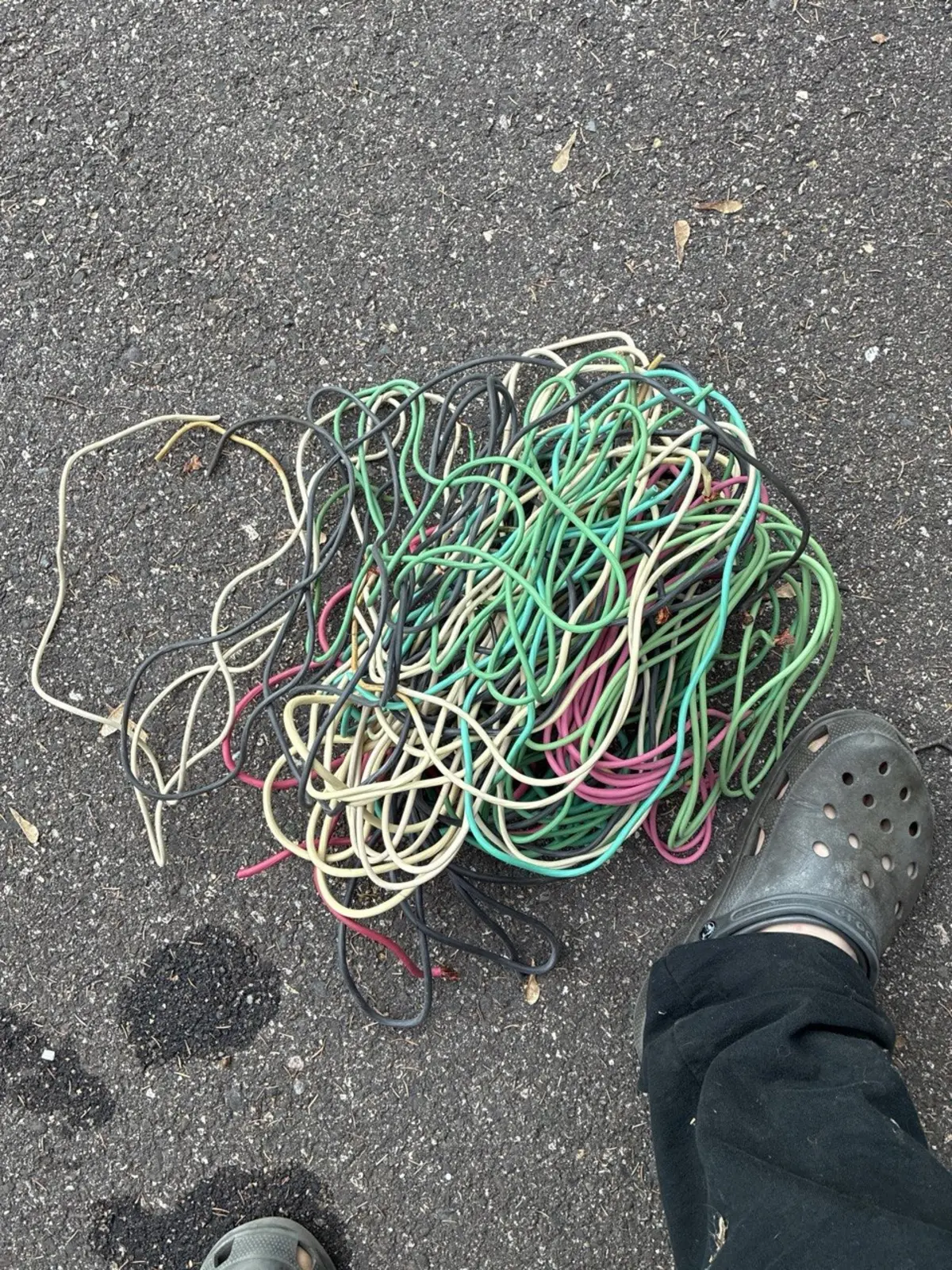
I weighed everything with a scale, using a cooler as a container and subtracting its tare weight. Here's the real math on both sessions, using Twin Cities area scrap prices from October 2026:
- Clean stripped copper (bare bright): ~$5.50–5.80/lb
- Insulated copper wire (Romex-style): ~$3.00–3.50/lb
- PV/solar wire unstripped: ~$1.65–2.00/lb
Session 1 — SO cord (regular insulated wire):
- Time: 1.5 hours
- Wire in: 16.6 lbs
- Copper out: 11.4 lbs (~69% recovery rate)
- Gross stripped value: ~$63–66
- Net over selling unstripped: ~$5–16 total
- Effective hourly rate: ~$3–8/hr
Session 2 — PV/solar wire (long 6 & 8 AWG runs):
- Time: 1 hour 7 minutes
- Wire in: 26.2 lbs (38.2 lbs total − 12.0 lb cooler tare)
- Copper out: 16.2 lbs (~62% recovery rate)
- Gross stripped value: ~$89–92
- Net over selling unstripped: ~$24–38 total
- Effective hourly rate: ~$25–30/hr
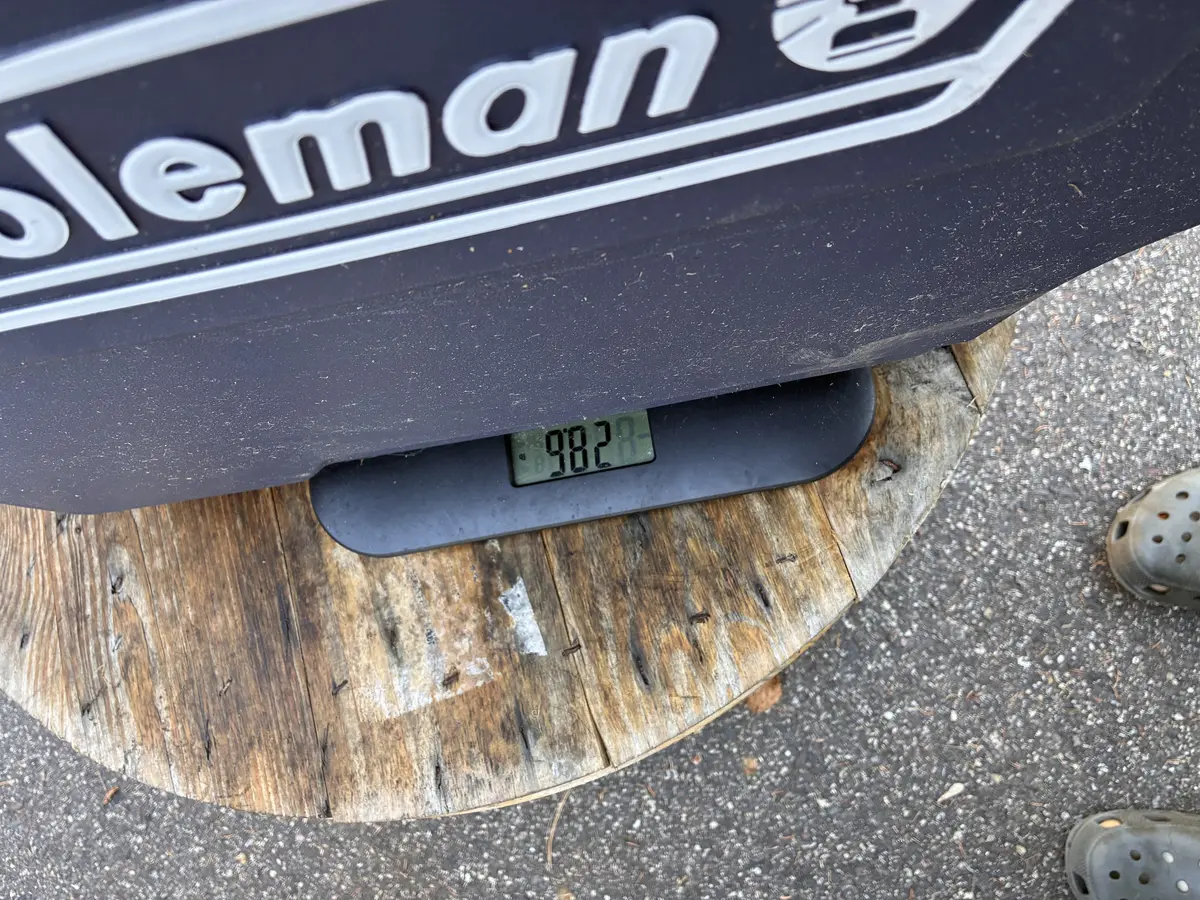
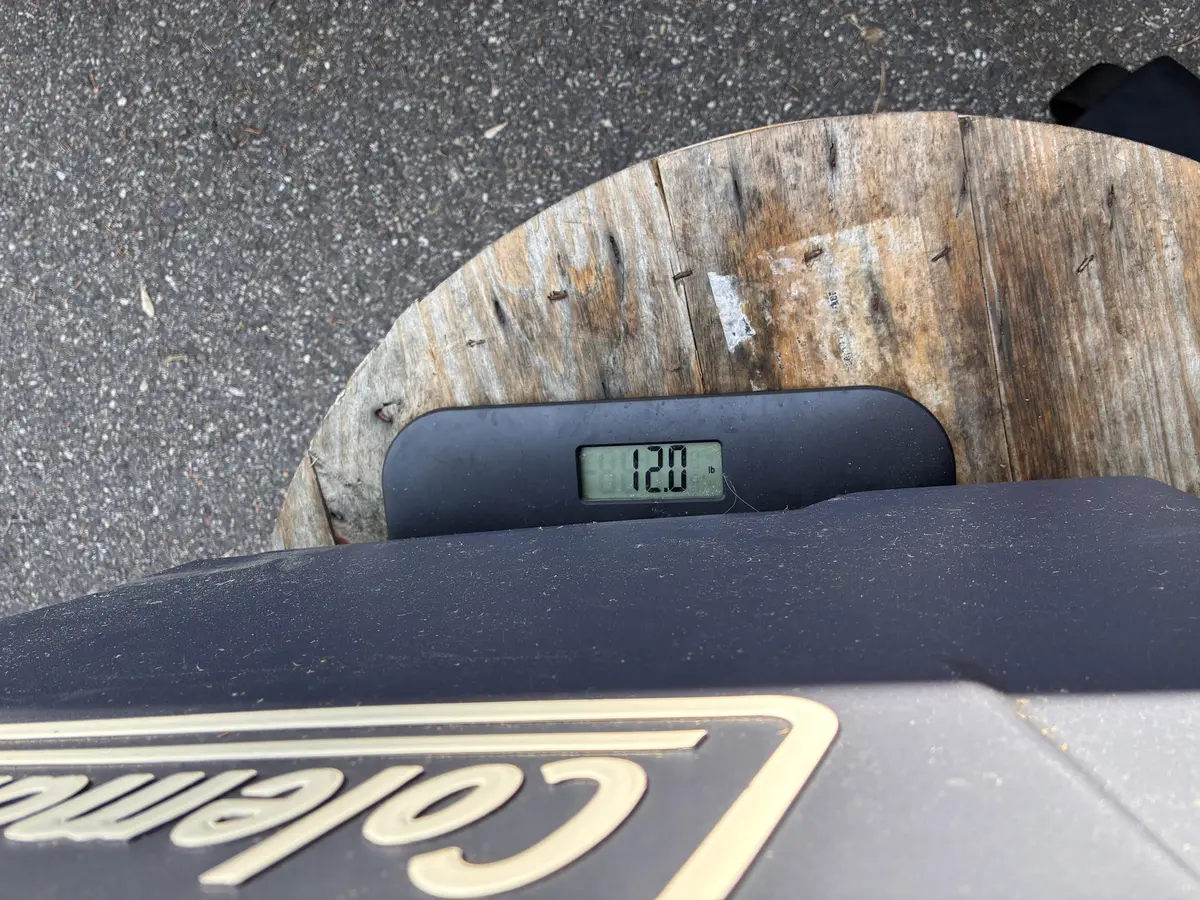
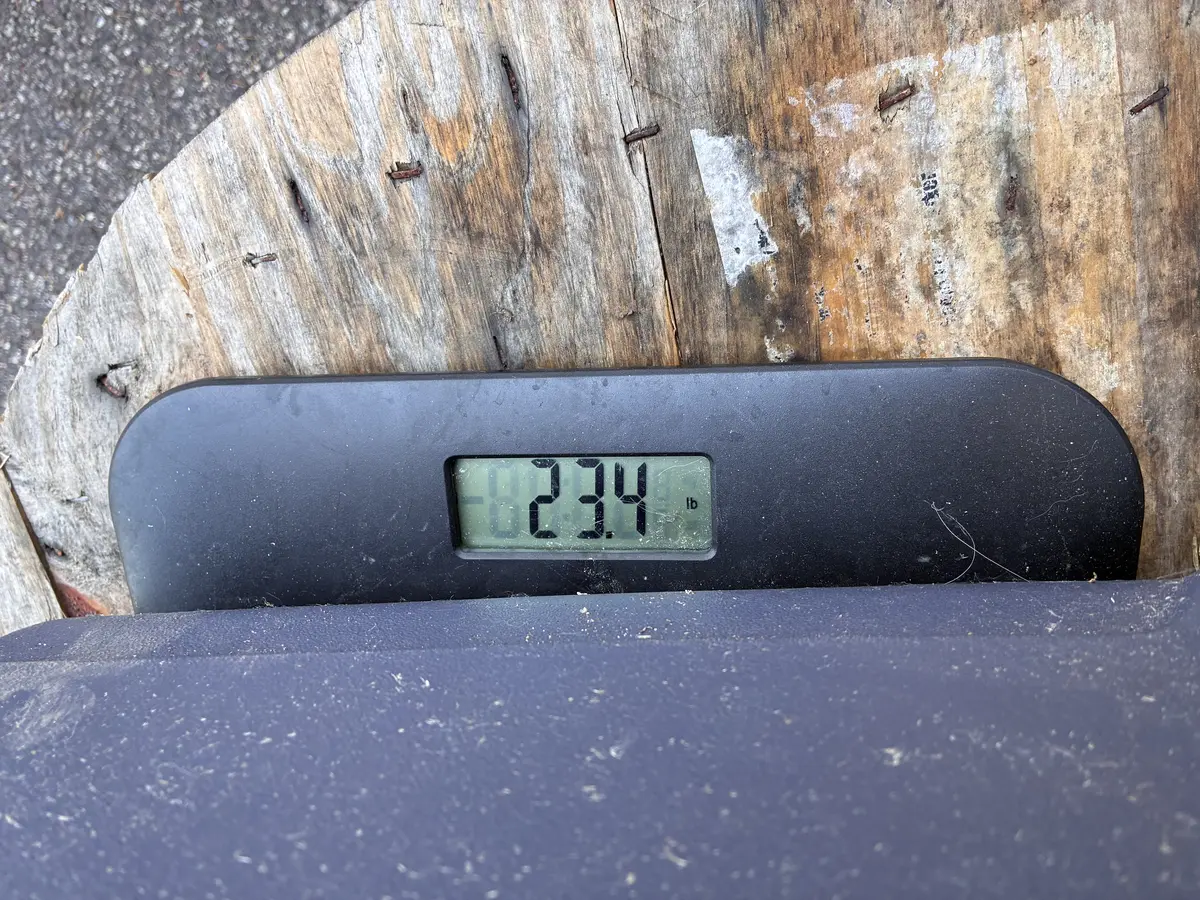
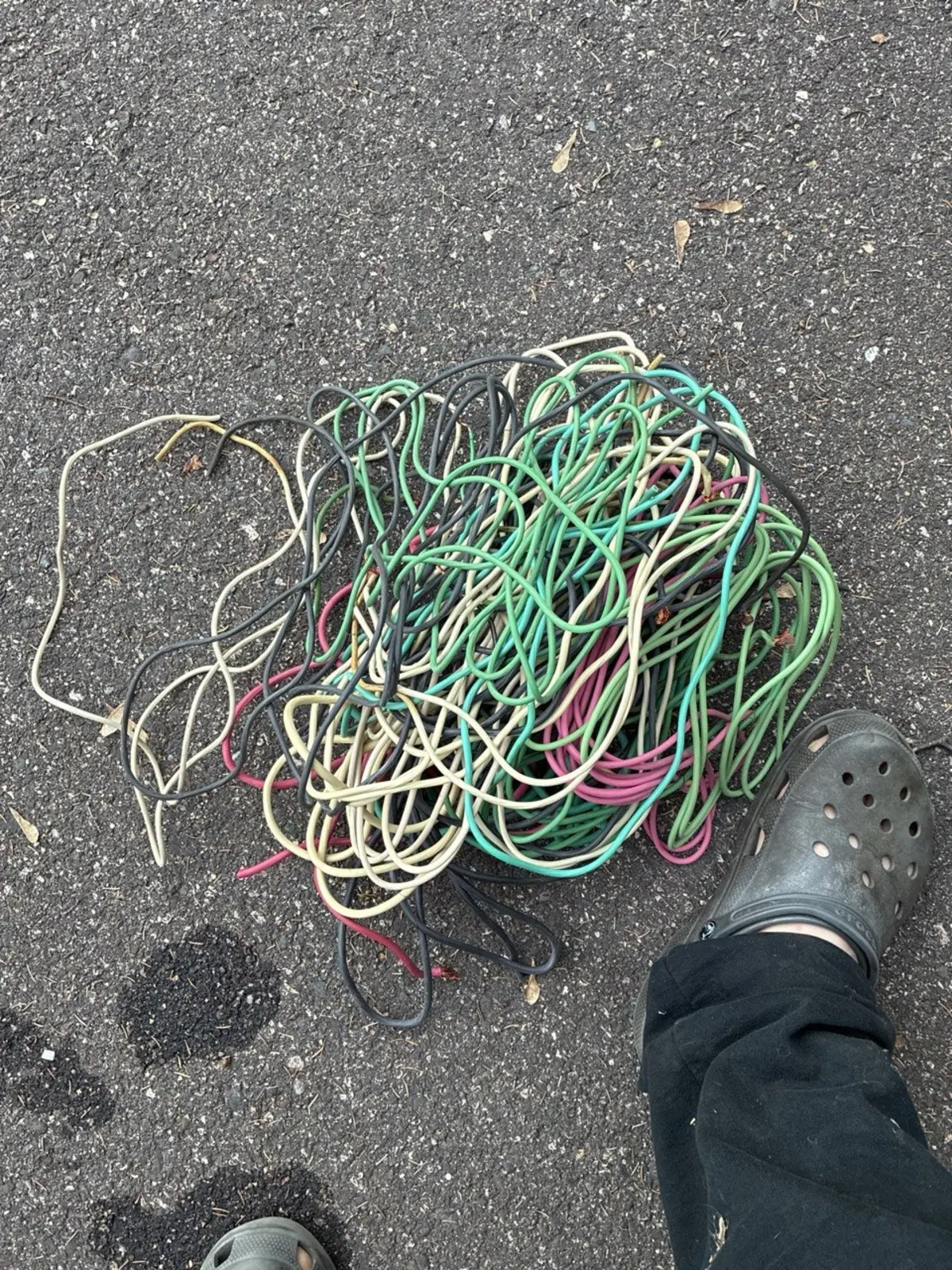
The recovery rate on PV wire was actually lower — 50% vs 69% — because the insulation is much thicker. But the long, consistent runs meant I barely stopped to adjust anything. I fed 100-foot chunks at a time and just walked backward pulling the conductor out. That speed is why the math flips so hard.
Practical takeaway: SO cord and mixed residential wire are marginal. Uniform, long-run wire from solar or commercial jobs is where this tool pays for itself — fast.
The Technique That Changed Everything
Session 1, I was doing it wrong in two ways. First, I was re-adjusting the blade between every wire. You don't need to do that. Set the depth once for a wire type, run all of it, then adjust. Second, I was fighting the wire to get it started — trying to feed it in with the stripper held upright and the drill running, which is awkward and slow. What actually works: lay the stripper flat on the surface first to get the wire seated and scoring, then flip it upright once the blade has bitten in. I didn't figure that out until session 2.
The clamp trick also came in session 2, not session 1. Once I had about a foot of insulation scored and starting to pull off, I clamped the loose insulation to a fixed point — in my case, the handle of the Blackstone — grabbed the bare conductor with both hands, and walked backward. The insulation peeled off behind me like nothing. I was stripping wire faster than I ever thought possible with a $30 tool. Both of these came together on the long PV wire runs in session 2, which is where the $25–30/hr number came from.
Combined with long wire runs, that's what session 2 looked like.
Practical takeaway: Clamp the scored insulation to something fixed. Walk backward with both hands on the conductor. Do this and the speed improvement is immediate.
Tools That Actually Help
| Tool | What For | Rating |
|---|---|---|
| Drill-powered wire stripper | The machine itself | Essential |
| Milwaukee M18 FUEL drill | Power source — sustained load, won't smoke | Essential |
| 12" clamp with rubber grips | Anchor insulation while you walk the conductor back | Essential for long runs |
| Milwaukee 6-in-1 Long Nose Pliers | Grab wire ends, pick out connectors, manual finishing | Most useful secondary tool |
| Wire stripper/cutter (small type) | Sections that need manual work | Nice to have |
| 5mm metric Allen key set (Milwaukee) | Adjust blade depth on the machine | Nice to have (one may come included) |
| Blackstone 28" Griddle | The work surface. Flat, stable, right height. Not its intended purpose. | Essential (seriously) |
The Verdict on the Tool
For $30, this wire stripper does exactly what it claims. The build quality is basic but functional — it's a blade inside a housing, not complicated. Setup is fast. It handles wire from small gauge up through 6 AWG PV cable without issue. The hand crank option is there if you want to go slow.
The real question isn't whether the tool works. It's whether stripping wire is worth your time — and that answer is almost entirely determined by the wire, not the tool.
If you're pulling wire from solar decommissions, commercial buildouts, or any job with long, consistent runs of heavy gauge cable: yes, it's worth it. Run the math at your local yard, buy this stripper, and use a real drill.
If you've got a box of SO cord and tangled residential wire from an estate sale: pour yourself a beer, strip it as a learning experience, and don't expect to make rent.
Some states require a license or ID to sell scrap copper — rules vary by state and sometimes by yard. Before your first trip, call ahead and ask what they need. Takes 30 seconds and saves you a wasted drive.
Frequently Asked Questions
Is stripping copper wire worth it?
It depends on the wire. Long, consistent runs of thick wire — like 6 or 8 AWG photovoltaic cable — can net $25–30/hr after accounting for the price difference between clean copper ($5.50–5.80/lb) and insulated wire ($1.65–2.00/lb at the yard). Short, tangled wire with heavy insulation like SO cord typically nets closer to $3–8/hr and usually isn't worth the effort unless you're new to the tool and treating it as practice.
What drill do I need for a drill-powered wire stripper?
You need a corded or high-capacity cordless drill. An 18V or 20V drill with fresh batteries will work, but expect it to run warm on long sessions. A Milwaukee M18 handled extended stripping of heavy photovoltaic wire without issue. Avoid using old or worn drills — the sustained load at high RPM can overheat the motor. A 30-year-old DeWalt DW997 lasted an hour before it started smoking. Great drill, wrong job.
How does a drill-powered wire stripper work?
You chuck the machine onto your drill's spindle, then feed wire into one of three holes (sized by gauge) on the back. A blade inside works like a pizza cutter — a top-mounted handle lowers it to score along the length of the insulation as the drill spins. You set depth with a 5mm Allen key. Too shallow and the insulation won't release cleanly. Too deep and you nick the copper conductor and lose material.
What is the best wire to strip for scrap copper?
Long, uniform runs of 6–10 AWG wire with consistent insulation — like photovoltaic (solar) cable — offer the best return. You can feed 100-foot runs without adjusting the blade, which maximizes speed. SO cord and mixed residential wire have lower recovery rates and more setup time per foot, making them marginal unless you're already efficient with the tool.
What is the recovery rate when stripping insulated copper wire?
Recovery rate varies significantly by wire type. Standard insulated wire like SO cord typically yields around 69% copper by weight. Heavy photovoltaic wire with thick insulation runs closer to 50%. Despite the lower recovery rate, PV wire is faster to process in long runs, making it more profitable per hour — $25–30/hr vs $3–8/hr for SO cord.

Written by Tim
Founder of Hard Mile Health. I've spent years in physically demanding work and learned most of what's on this site the hard way — through injuries, bad advice, and a lot of research. I write about what actually works, backed by real studies and personal experience.